
Boho Guide
What is Boho?
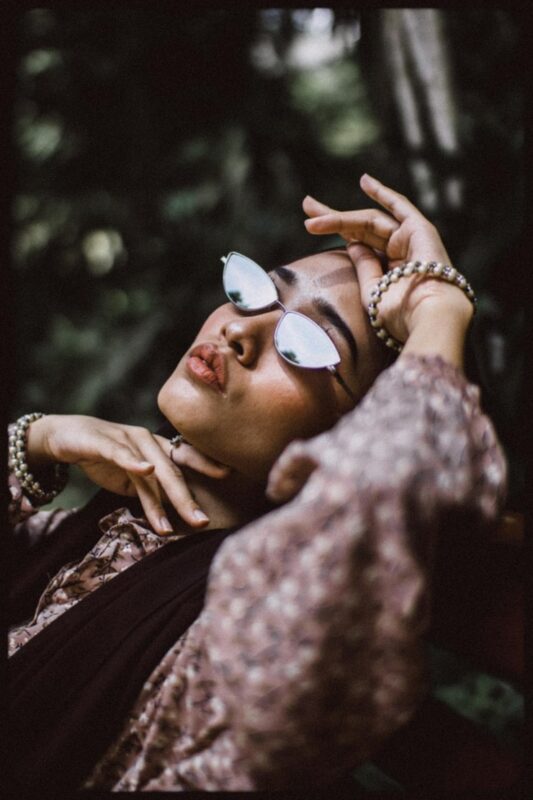
Jan
Boho is short for bohemian. It describes a free-spirited lifestyle linked to artists, writers, and travelers who reject strict social rules. These people value creativity, independence, and unconventional ways of living and dressing. Boho often means relaxed, informal styles in clothes or home decor that feel artistic and unusual.
The term comes from “Bohemia,” a region in Europe tied to nomadic Romani people seen as outsiders in the 19th century. Today, boho stands for anyone embracing a vibrant, non-mainstream vibe with earthy tones and eclectic mixes. It mixes vintage, hippie, and global influences for a grounded yet lively look. People drawn to boho seek comfort, self-expression, and a touch of wanderlust in daily life. This style appears in fashion, interiors, and even attitudes, always prioritizing freedom over trends.
Boho Style
Boho style focuses on relaxed, eclectic clothing with natural fabrics like cotton, linen, suede, and silk. It features flowy shapes such as maxi dresses, bell sleeves, wide skirts, flare pants, and layered outfits for easy movement. Patterns play a big role, including florals, tie-dye, tribal prints, embroidery, fringe, and crochet details. Earthy colors like browns, creams, greens, and terracotta dominate, mixed with bold pops for vibrancy. Accessories add personality: layered necklaces, wide-brim hats, scarves, woven bags, and chunky jewelry. The look feels vintage-inspired from the 1960s and 70s, blending textures for a cozy, abundant feel. Boho style suits casual days, festivals, or travel, always prioritizing comfort and individuality. Mix prints fearlessly and layer freely to capture its essence. It rebels against stiff fashion for a feminine, glowing energy.
History of Boho
Boho traces back to 18th-19th century Europe, especially France after the Revolution. Artists and writers, too poor for city life, lived nomadically like Bohemia region’s Romani groups, embracing creativity over norms. This “bohemian” lifestyle spread with loose clothes, earthy tones, and layered looks. In the 19th century, figures like Henri Murger romanticized it in literature. The 1960s-70s saw a boom via hippie culture in the US and UK, mixing beatnik ideas with peace vibes. Icons like Janis Joplin wore fringe, maxi dresses, tie-dye, and bell-bottoms for anti-establishment freedom. Early 2000s revived it as “boho,” boosted by Sienna Miller and Kate Moss with vintage twists. Today, it emphasizes sustainability, ethical fabrics, and blends like boho-chic on runways. From rebellion to mainstream, boho endures for its timeless mix of cultures and self-expression.
Boho vs Boho Chic
Boho is bold, relaxed, and maximalist with rustic, natural materials like cotton, suede, and linen in heavy patterns and layers. It feels hippie-like: fringe, eclectic prints, handcrafted accessories, and a wild, festival-ready vibe. Boho Chic refines this into a polished, stylish version, adding silk, satin, sequins, and structured pieces for elegance. It tones down excess for sleek silhouettes, designer bags, and elegant jewels while keeping flowy shapes and embroidery. Boho screams untamed freedom; boho chic balances it with sophistication for everyday wear. Key differences show in materials (earthy vs luxurious), accessories (rustic vs refined), and structure (loose vs tailored). Both share bohemian roots but boho chic suits urban settings better. Choose boho for full immersion, boho chic for versatile chic.
Modern Boho (2026)
Modern boho in 2026 blends the free-spirited essence of traditional boho with contemporary lifestyle needs. Unlike older boho, which focused heavily on maximalism and eclectic layering, today’s boho is curated, practical, and versatile, making it suitable for work, travel, festivals, or casual outings. Sustainable fabrics are central—linen, bamboo, and organic cotton ensure comfort while supporting eco-conscious values. Layering is subtle, often pairing soft dresses with light jackets, kimonos, or vests rather than excessive prints. Modern boho also fuses with urban and streetwear styles, such as pairing floral dresses with leather jackets or wide-leg pants with tailored blazers. Accessories are functional yet stylish, emphasizing quality over quantity. Overall, modern boho is about intentionality: pieces that are timeless, adaptable, and expressive without feeling cluttered.
- Sustainable and natural fabrics dominate (linen, bamboo, organic cotton).
- Subtle layering for a polished yet relaxed aesthetic.
- Urban-boho fusion blends traditional boho with streetwear or work-appropriate pieces.
- Neutral and earthy palettes with occasional pops of color.
- Accessories are minimal, functional, and curated.
- Versatile style suitable for festivals, office, and everyday life.
Old Boho vs New Boho
Boho has evolved over decades, reflecting cultural, social, and lifestyle changes.
Old Boho (1960s–2000s):
Traditional boho was a symbol of rebellion, creativity, and nonconformity. Inspired by hippies, Romani nomadic fashion, and 1970s rock icons like Stevie Nicks and Janis Joplin, old boho emphasized freedom of movement, eclectic layering, and bold prints. Maxi dresses, peasant blouses, bell-bottoms, and fringe were staples, while jewelry and accessories were oversized and abundant. Look was unstructured, expressive, and often experimental.
New Boho (2026):
Modern boho retains the essence of comfort and individuality but focuses on sustainability, subtlety, and versatility. Layering is curated, prints are tonal or minimal, and fabrics prioritize eco-friendly choices. The style integrates urban chic and work-appropriate pieces, making it suitable for multiple occasions beyond festivals. Accessories are intentional and functional rather than purely decorative.
- Layering: Excessive and eclectic vs. curated and minimal.
- Prints: Bold and mixed vs. tonal and balanced.
- Fabric choice: Variety, sometimes synthetic vs. sustainable, natural fabrics.
- Lifestyle fit: Festival and casual focus vs. versatile for urban, office, and casual settings.
- Accessories: Oversized and abundant vs. functional, statement, and intentional.
Key Characteristics
Boho style is all about freedom, comfort, and artistic expression. It celebrates relaxed silhouettes, natural fabrics, and expressive details that feel effortless rather than polished. Inspired by nature, travel, and vintage fashion, boho outfits look unstructured yet thoughtfully layered.
- Flowy silhouettes: Maxi dresses, peasant blouses, kaftans, oversized kimonos, wide-leg palazzo pants, flared trousers, and bell-bottoms that allow easy movement.
- Lightweight fabrics: Cotton, linen, chiffon, lace, and gauze create an airy, romantic feel suitable for all seasons.
- Natural textures: Suede, leather, crochet, embroidery, fringe, and lace add depth and an earthy, grounded look.
- Layering: Tunics over dresses, vests over tops, and scarves or shawls add visual richness without feeling heavy.
- Relaxed fit philosophy: The style avoids tight or restrictive clothing, embracing comfort, femininity, and a subtle rebellion against structured fashion.
- Artistic details: Ruffles, tassels, peasant sleeves, and handcrafted accents complete the carefree, creative aesthetic.
Colors & Patterns
Boho colors draw from nature with warm, muted earth tones like terracotta, rust, olive green, sage, mustard yellow, cream, chocolate brown, khaki, and beige as bases. Soft pastels such as lavender add freshness, while jewel tones like turquoise, deep burgundy, sapphire, and rusty red bring bold accents. Vibrant pops in mustard or turquoise highlight patterns without overwhelming. Patterns mix eclectic styles: florals, paisley, tribal prints, tie-dye, polka dots, ikat, ethnic motifs, and geometric designs. These reflect global influences and vintage textiles. Layer prints freely for playful energy, or keep monochromatic for subtlety. Natural dyes enhance the organic feel, making outfits warm and balanced.
- Earthy base tones: Terracotta, rust, olive green, sage, mustard yellow, cream, beige, khaki, and chocolate brown.
- Soft highlights: Pastels like lavender, dusty rose, or pale blue add a gentle, fresh contrast.
- Rich accents: Jewel tones such as turquoise, deep burgundy, sapphire, and rusty red bring depth and personality.
- Eclectic patterns: Florals, paisley, tribal and ethnic prints, ikat, tie-dye, polka dots, and geometric motifs.
- Print mixing: Layering different patterns creates a playful, expressive look, while monochromatic styling feels more subtle and refined.
- Organic feel: Natural dyes and faded finishes enhance the warm, lived-in appearance that defines boho style.
Accessories
Accessories are essential in boho fashion, adding personality, texture, and a handcrafted feel. The focus is on layering, natural materials, and pieces that look collected over time rather than perfectly matched.
- Layered jewelry: Stacked necklaces, bangles, rings, anklets, and earrings in mixed metals, beads, shells, feathers, and turquoise stones.
- Statement accents: Pendants, ear cuffs, and oversized rings for a free-spirited, gypsy-inspired touch.
- Hats: Floppy wide-brim hats, straw hats, or fedoras for both style and sun protection.
- Scarves: Lightweight silk or cotton scarves with floral, paisley, or ethnic prints used around the neck, hair, or bag.
- Bags: Fringe bags, woven rattan totes, embroidered crossbodies, or suede shoulder bags.
- Belts & hair accessories: Braided leather belts, wooden buckles, headbands, hair scarves, or floral crowns.
- Overall vibe: Textured, asymmetrical, and natural-looking pieces that feel effortless and personal.
Celebrity & Cultural Influence
Boho style has evolved through decades of music, art, and counterculture, shaped by influential figures who embraced freedom, creativity, and individuality. From rock icons to modern influencers, celebrities have helped bring boho from underground movements into mainstream fashion, while its cultural roots give the style lasting depth and meaning.
- 1970s music icons: Stevie Nicks popularized flowing shawls, fringe dresses, lace, and platform boots, creating the iconic boho rock-goddess look.
- Counterculture pioneers: Janis Joplin’s layered fringe jackets, bell-bottoms, and mixed prints linked boho with rebellion, self-expression, and freedom.
- 2000s boho-chic revival: Sienna Miller made peasant blouses, maxi skirts, leather boots, and messy layers fashionable again, influencing global street style.
- High-fashion edge: Kate Moss added vintage layering, wide-brim hats, and effortless styling, while Nicole Richie embraced oversized accessories and bold print mixing.
- Modern boho icons: Zoe Kravitz blends boho with urban cool through floral dresses, leather layers, and minimal styling; Vanessa Hudgens embodies festival boho with embroidered maxis and statement accessories.
- Cultural foundations: Rooted in 19th-century European artists rejecting social norms, Romani nomadic dress, and 1960s hippie movements that celebrated peace, travel, and global textiles.
- Digital-era influence: Fashion influencers like Kritika Khurana reinterpret boho with sustainable fabrics, earthy palettes, and modern silhouettes, keeping the style relevant today.
Outfit Examples
Boho outfits are versatile, expressive, and easy to adapt to different occasions. The style thrives on layering, texture, and relaxed silhouettes, allowing each look to feel personal rather than styled to perfection.
- Festival look: A white peasant blouse with bell sleeves paired with high-waisted flare jeans, layered with a fringed suede vest, ankle boots, stacked turquoise jewelry, and a floppy hat.
- Everyday casual: A lightweight linen kimono over a tie-dye tank top and wide-leg terracotta pants, finished with woven sandals and beaded bracelets.
- Beach boho: A crochet bikini top under a sheer kaftan, embroidered shorts, shell anklets, and oversized sunglasses.
- Boho-chic office style: A tailored blouse with subtle paisley embroidery, a midi skirt, leather belt, and loafers or low heels.
- Winter boho: An oversized knit sweater layered over a corduroy or maxi skirt, wool scarf, tights, and chunky boots.
- Romantic evening look: A slip dress with lace or crochet details, a fringe shawl, and heeled espadrilles.
- Styling tip: Mix florals with geometric prints, focus on natural fabrics, and balance bold elements with neutral tones.
Boho Interior Design Style
Boho interior design brings the same free-spirited energy into living spaces. It combines global influences, natural materials, and personal treasures to create warm, lived-in homes that feel relaxed and welcoming.
- Layered rugs: Persian, Moroccan, or kilim rugs layered over jute or sisal bases for depth and comfort.
- Rich textures: Macramé wall hangings, rattan or bamboo furniture, woven baskets, crochet throws, and velvet or embroidered cushions.
- Earth-inspired colors: Terracotta, mustard, ochre, sage green, and beige, balanced with accents of turquoise, blush, or deep pink.
- Indoor plants: Hanging pothos, monstera, ferns, succulents, and palms in terracotta or ceramic pots to add life and freshness.
- Vintage & global décor: Brass trays, wooden beads, thrifted mirrors, carved furniture, and handmade artifacts collected over time.
- Low, relaxed seating: Floor cushions, poufs, hammocks, and low sofas that encourage comfort and lounging.
- Soft lighting: Moroccan lanterns, fairy lights, candles, and salt lamps for a warm, ambient glow.
- Personal expression: Gallery walls with photos, art prints, feathers, or dreamcatchers that reflect individuality.
- Balanced abundance: Rich layering without overcrowding, leaving open spaces for airflow and calm.
- Sustainable choices: Natural, recycled, or handmade materials that reflect boho’s eco-conscious and mindful roots.
Perfect Age Guide for Boho Fashion
Boho is timeless, but styling varies depending on age to balance comfort, elegance, and personality.
Teens & 20s:
- Can experiment with bold prints, layering, and accessories.
- Festival-inspired pieces, crochet tops, bell-bottoms, and fringe vests are ideal.
30s:
- Focus on versatility for work and casual outings.
- Flowy midi skirts, embroidered blouses, tailored wide-leg pants, and lightweight kimonos work best.
- Subtle layering and minimal prints create a polished boho-chic look.
40s:
- Prioritize elegance and comfort.
- Maxi dresses, tunics, linen pants, and statement jewelry are stylish without being overwhelming.
- Layering with shawls, scarves, or light vests is recommended.
50s and above:
- Stick to timeless and sophisticated staples: soft cardigans, ankle-length skirts, simple maxi dresses, and ethnic prints.
- Neutral earthy tones enhance elegance; high-quality natural fabrics add refinement.
- Accessories like scarves, handcrafted bags, or delicate jewelry complete the look without overpowering.
Notes for all ages:
- Choose pieces that feel comfortable and reflect personality.
- Prioritize natural fabrics for quality and longevity.
- Balance prints, layers, and accessories to suit lifestyle and occasion.
FAQs About Boho Style
1. What is boho style?
Boho (short for “bohemian”) is a fashion and lifestyle aesthetic rooted in free‑spirited creativity, comfort, and artistic expression. It emphasizes relaxed, flowy silhouettes, natural fabrics, earthy tones, global prints, and layered accessories. The look focuses on individuality over strict fashion rules and blends vintage, hippie, and artisanal elements.
2. Where did boho style come from?
The bohemian aesthetic originated in 19th‑century Europe among artists and unconventional thinkers who rejected rigid norms. It gained mainstream popularity in the 1960s and 1970s through the hippie movement, and later saw a major revival in early 2000s fashion with celebrities like Sienna Miller and Kate Moss championing it.
3. What are the essential elements of boho fashion?
Boho style is defined by:
- Flowy, loose silhouettes
- Earthy and nature‑inspired colours
- Natural fabrics like cotton, linen, and crochet
- Layered textures and prints (florals, paisley, tribal motifs)
- Handmade or vintage‑inspired accessories like beads, feathers, and leather
- Comfortable, expressive pieces rather than structured tailoring
4. What colours are most common in boho fashion?
Boho palettes are grounded in nature — earthy tones like sage, terracotta, rust, mustard, cream, olive, and beige. These are often balanced with muted pastels or subtle jewel tones for visual interest.
5. How has boho fashion changed in modern trends (2026)?
Modern boho retains its free‑spirited core but leans toward curated, wearable looks suitable for everyday life. Current updates include:
- Intentional layering (rather than overwhelming prints)
- Neutral and muted palettes
- Sustainable and vintage pieces
- Urban and streetwear influences (e.g., basics paired with boho statement items)
This evolution makes boho more versatile beyond festival wear.
6. Can boho be worn for work or formal occasions?
Yes — boho can be adapted for more formal or office settings by choosing refined pieces such as embroidered blouses, midi skirts, tailored vests, neutral colour schemes, and fewer exaggerated accessories. The focus is on balance and purposeful styling.
7. What accessories go with boho outfits?
Boho accessories are often layered and eclectic, including:
- Beaded or gemstone necklaces
- Bracelets, rings, and anklets
- Wide‑brim hats and scarves
- Fringe or woven bags
- Sunglasses with vintage or round frames
These add personality and texture without overpowering the outfit.
8. Is boho just a fashion style?
No — boho can extend into lifestyle areas such as interior design and personal expression. Boho interiors blend natural materials, plants, layered textiles, vintage finds, and eclectic décor to create relaxed, creative spaces that reflect a free‑spirited ethos.
9. What is the difference between boho and boho‑chic?
While both terms are related, boho‑chic typically refers to a more polished, fashion‑forward take on traditional boho. Boho‑chic often involves refined pieces and styling that lean slightly toward contemporary fashion, making it more wearable for everyday modern outfits.
10. How do I start building a boho wardrobe?
Begin with a few foundation pieces:
- Flowy maxi dresses or skirts
- Peasant blouses and tunics
- Wide‑leg or palazzo pants
- Fringe vests or kimonos
- Natural accessories (woven bags, layered necklaces)
Then mix in vintage finds or sustainable pieces to personalize the look.
